
If you’ve ever heard someone say, “Edibles hit different,” they’re not wrong. The experience of consuming cannabis edibles, especially weed gummies and chocolates, is very different from smoking or vaping. But why?
Understanding what’s happening in your body can help you dose smarter, set better expectations, and enjoy a more comfortable experience.
Let’s break it down.
Smoking vs Edibles: What’s the Real Difference?
When you smoke flower or hit a cannabis vape, THC moves fast. It enters your bloodstream through the lungs and reaches your brain within minutes (Huestis, 2007). That’s why with smoking, you know where you stand pretty quickly.
Edibles work differently.
When you eat a THC gummy or chocolate, the cannabis goes through your digestive system first. It’s then processed by the liver before entering the bloodstream. This last step is called first-pass metabolism (Grotenhermen, 2003).
This extra step changes everything.
This is why:
- Edibles take longer to kick in
- The high lasts longer
- The body feel can be stronger
- The experience can feel more immersive
The key difference comes down to how your body processes THC.
The Science: 11‑Hydroxy‑THC
When you eat THC, your liver converts it into a compound called 11‑hydroxy‑THC, which is an active metabolite that plays a major role in the edible experience. (Grotenhermen, 2003).
This compound crosses into the brain efficiently and is associated with stronger and longer‑lasting psychoactive effects compared to inhaled THC. (Huestis, 2007).
That’s why many consumers describe edibles as:
- More full-body
- More intense
- More relaxing or sedating
- Longer lasting
If you’re curious to experience this for yourself, start with a low‑dose THC gummy available at Potherb Cannabis in Mississauga.
Why Edibles Take Longer to Kick In
Edibles take time. Onset can range from 30 minutes to 2+ hours depending on metabolism, body composition, and whether you’ve eaten beforehand. (Barrus et al., 2016; Huestis, 2007).
This delay is where most dosing mistakes happen.
Someone takes a 5mg gummy, doesn’t feel anything after 30 minutes, takes another and then both hit at once.
That’s when edibles can feel overwhelming.
The golden rule is simple:
Start low. Go slow. So wait at least 90 minutes before taking more.
Variability in absorption and metabolism is well documented in edible research, which is why cautious dosing is widely recommended (Barrus et al., 2016).
Why the Edibles High Lasts Longer
When you inhale cannabis, effects typically peak within 30–60 minutes and taper off after 2–3 hours. (Huestis, 2007).
Edibles are built differently.
Because THC is absorbed through digestion and processed by the liver, effects are delayed but last significantly longer – often 4-8 hours or more at higher doses (Barrus et al., 2016).
Controlled comparisons confirm that taking THC orally produces later peak effects and extended duration compared to inhaled cannabis. (Newmeyer et al., 2017).
That longer window is exactly why edibles are popular for:
- Long movie nights
- Social gatherings
- Relaxed evenings at home
- Wind‑down routines, especially with CBN-infused options
Try CBN gummies if you’re looking to wind down.
Body Feel vs Head High on Edibles
Many customers describe edibles as more “body‑based” compared to smoking.
Research suggests that differences in how THC is metabolized and how blood concentration levels rise & fall helps explain why oral and inhaled cannabis can feel noticeably different. (Huestis, 2007; Newmeyer et al., 2017).
That’s why with edibles, people often feel:
- Heavier limbs
- Deep relaxation
- Heightened sensory experiences
- Stronger couch-lock at higher doses
Inhaled cannabis, on the other hand, tends to feel more immediate and shorter‑lived because THC is absorbed rapidly through the lungs. (Huestis, 2007).
Of course, experience depends on dose, tolerance, and cannabinoid profile.
What About CBD, CBN & Balanced Edibles?
Not all edibles are straight THC.
Balanced and minor‑cannabinoid formulations can influence the overall experience through cannabinoid interaction which is sometimes referred to as the “entourage effect,” though research in this area is still evolving. (Grotenhermen, 2003).
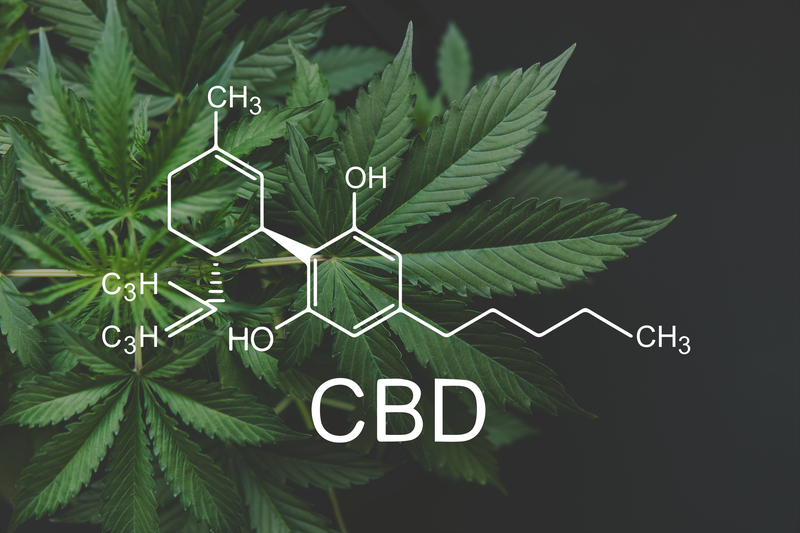
CBD (Cannabidiol)
CBD is non‑intoxicating and has been studied for how it interacts with THC and other receptor systems in the body (Grotenhermen, 2003).
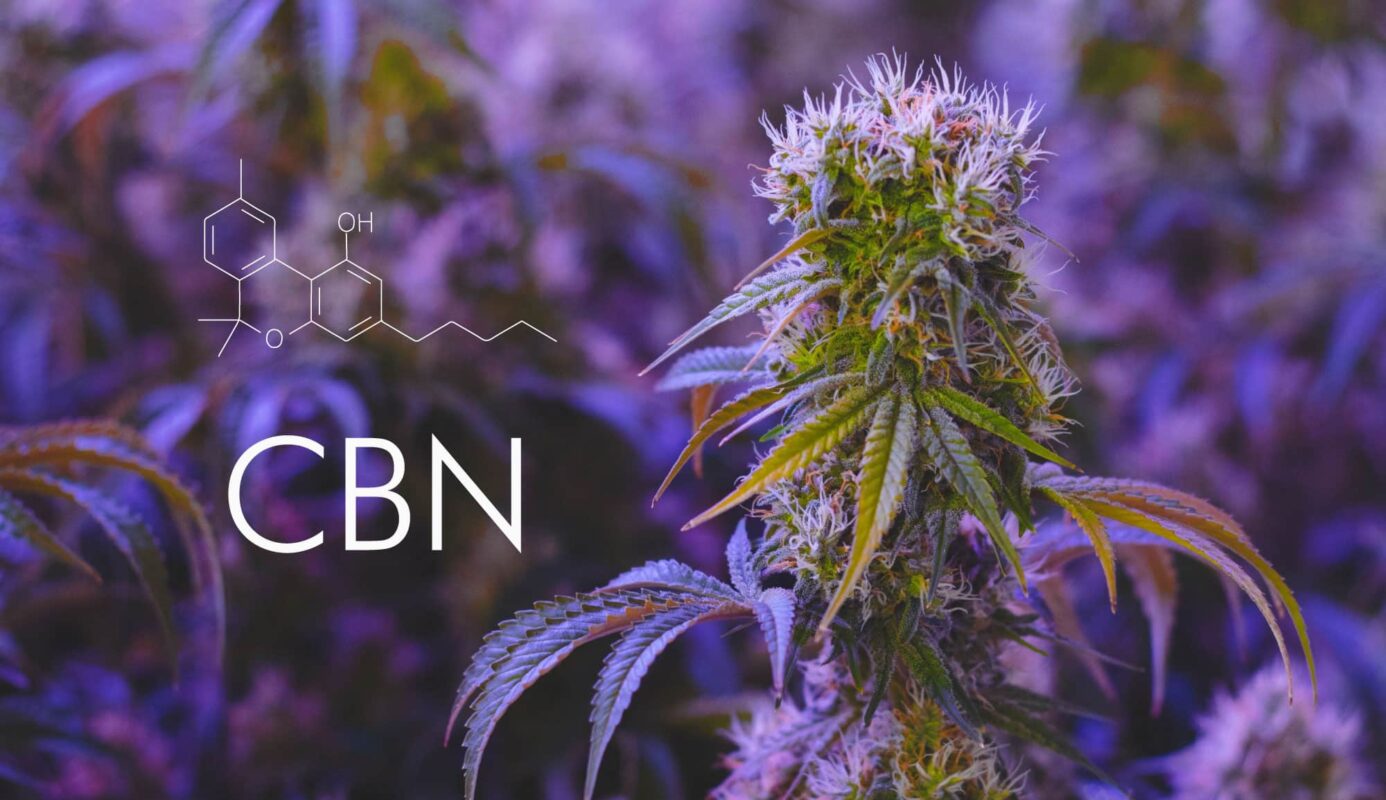
CBN (Cannabinol)
CBN forms as THC ages and is often included in evening-focused gummies, vapes, pre-rolls etc. Research into its specific effects is still emerging. (Corroon J., 2021)
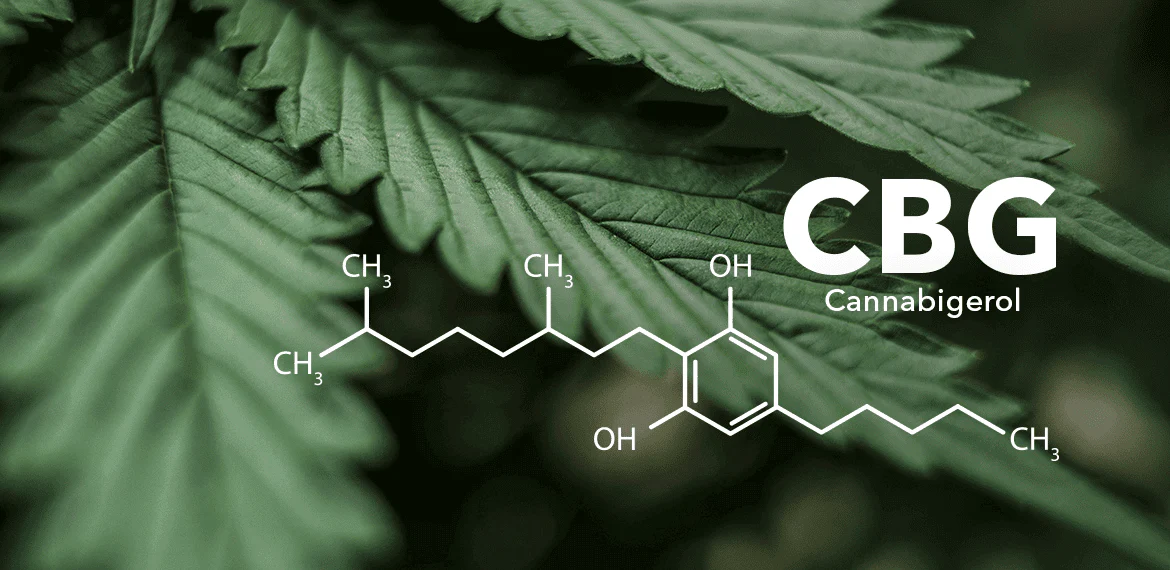
CBG (Cannabigerol)
CBG is a precursor cannabinoid and is being studied for potential unique properties, though research remains early. (Li et al., 2024)
At Potherb Cannabis in Mississauga, you’ll find a wide range of edibles:
- Low-dose THC weed gummies
- Balanced CBD:THC edibles
- CBN gummies
- CBG gummies
- THC Chocolates & Balanced Chocolates
Each delivers a slightly different experience based on how cannabinoids interact in your body.
How to Have a Better Cannabis Edible Experience
To keep things comfortable:
✔ Start with 2.5mg-5mg THC if you’re newer
✔ Wait at least 90 minutes before increasing
✔ Avoid mixing with heavy alcohol
✔ Choose balanced products if you’re cautious
✔ Plan your evening – edibles last longer than you think
Edibles aren’t better or worse than smoking. They’re just different.
When you understand what’s happening in your body, you’re far more likely to enjoy the ride.