Terpenes, Potency, and More
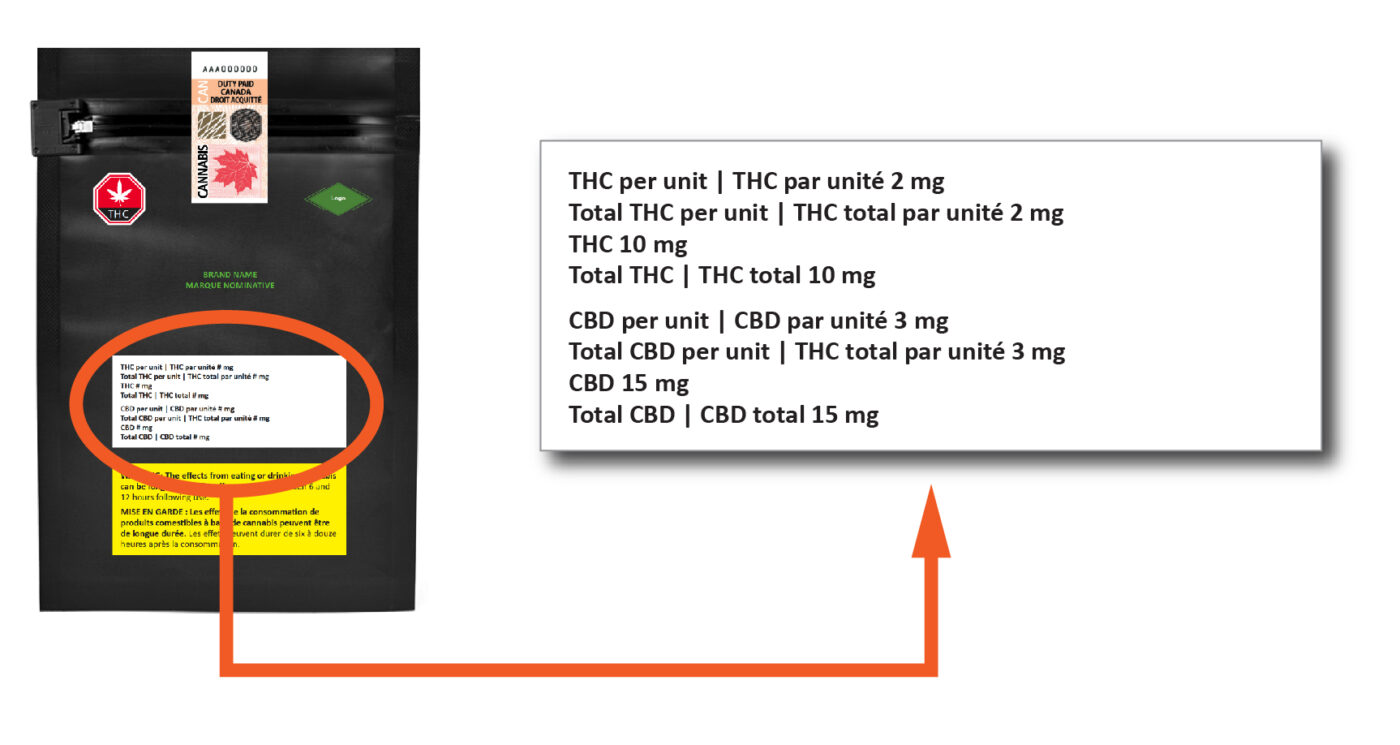
If you’ve ever purchased cannabis, you’ve probably come across a label filled with numbers, percentages, and technical terms that can seem confusing. But this information is key to choosing the right product for your needs and experience level.
In this article, we’ll explain how to read a cannabis label, what each component means, and why it matters.
1. Potency: THC and CBD
THC (%) – Tetrahydrocannabinol
This is the main psychoactive compound in cannabis.
- 0–10%: Low potency, ideal for beginners.
- 10–20%: Medium potency, common in many flower strains.
- 20% or more: High potency. Recommended for users with higher tolerance.
CBD (%) – Cannabidiol
Non-psychoactive and often associated with calming, anti-inflammatory, and anti-anxiety effects.
- In recreational products, CBD levels are usually below 1–2%.
- In therapeutic products, CBD levels can be higher (5–20% or more).
Important: The THC:CBD ratio affects the overall experience.
- High THC / Low CBD = more euphoria and intensity.
- High CBD / Low THC = more relaxation, less psychoactivity.
2. Terpenes: Aroma, Flavor—and Effect
Terpenes are natural aromatic compounds that also influence the overall effects of cannabis. They’re responsible for each strain’s distinct smell and flavor, and they can also enhance or balance the effects of THC and CBD.
Here are some common terpenes you might see listed on a label:
| Terpene | Aroma | Common Effect |
|---|---|---|
| Myrcene | Earthy, herbal | Relaxing, sedative |
| Limonene | Citrus, lemon | Uplifting, mood-enhancing |
| Caryophyllene | Spicy, clove | Anti-inflammatory, calming |
| Pinene | Pine, fresh | Alertness, memory boost |
| Linalool | Floral, lavender | Relaxing, anti-anxiety |
Some products list terpene profiles by percentage. Others only mention the top three terpenes present.
3. Other Common Label Information
Strain: Indicates whether it’s a Sativa, Indica, or Hybrid, and may include a commercial name (e.g., “Gelato #33”).
Harvest or Packaging Date: The fresher, the better. THC and terpenes degrade over time.
Usage Instructions & Warnings: Especially important for edibles and high-potency products.
Final Tips for Reading Labels Like a Pro
- Don’t focus only on the THC percentage — more doesn’t always mean better.
- If you’re looking for a specific effect (relaxation, focus, pain relief), pay attention to the terpenes.
- If you’re unsure, ask your budtender — they’re there to help!
- First-time user? Start with low potency and a balanced THC:CBD ratio.

Why It Matters
Learning to read a cannabis label is like learning to read the ingredients on your food — it empowers you to make informed decisions. The more you know about what you’re consuming, the better your experience will be — whether for recreational enjoyment, therapeutic relief, or pure curiosity.