
A simple guide to the compounds behind some of cannabis’ most recognizable effects, aromas, and experiences.
Most people shop by THC percentage.
But experienced consumers often pay attention to something else entirely:
Terpenes.
Terpenes help explain why two products with similar THC levels can feel completely different.
What Are Terpenes?
Terpenes are natural aromatic compounds found in plants.
They exist throughout nature and are responsible for many of the recognizable smells we associate with herbs, fruits, and flowers.
For example:
- Lemons → Limonene
- Lavender → Linalool
- Pine trees → Pinene
Cannabis contains terpenes too, which is why some strains smell fruity, gassy, earthy, floral, spicy, or citrus-forward.
Many researchers are studying how they contribute to the overall cannabis experience, especially when combined with cannabinoids like THC and CBD.
This interaction is often referred to as the “entourage effect”.
A study suggesting cannabis compounds may work together in ways that influence how a product feels overall showed some promising findings. (Ferber et al., 2020)
How Do Terpenes Affect Your High?
This is where cannabis starts getting interesting.
Two products can have nearly identical THC percentages and still produce completely different experiences. One may feel more relaxing and body-heavy, while another feels brighter, lighter, or more mentally stimulating.
A big reason for that difference may come down to terpenes.
Terpenes are believed to interact with cannabinoids like THC in ways that help shape the overall character of a high. This interaction is often referred to as the “entourage effect.” According to research published by the National Library of Medicine, terpenes may contribute to the overall therapeutic and experiential effects of cannabis through these synergistic interactions.
A simple way to think about it is this: THC may drive the experience, but terpenes help shape the vibe.
That does not mean terpenes work like a switch where one terpene guarantees one exact outcome. Cannabis experiences are still influenced by dosage, cannabinoids, tolerance, metabolism, and individual body chemistry.
Still, many consumers pay close attention to terpene profiles because they find it helps them better predict how certain products may feel overall.
Common Cannabis Terpenes Explained
Myrcene
Often found in soothing Indica dominant strains. Considered one of the foundational cannabis terpenes, myrcene is commonly associated with classic “evening strain” profiles.
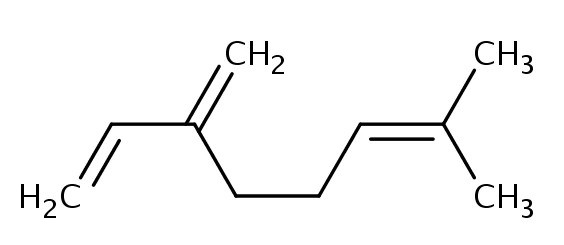
| Aroma Profile | Commonly Reported Experience |
|---|---|
| – Earthy – Herbal – Musky or Clove like | – Relaxing – Body Focused – Heavy or Calming |
Limonene
Commonly found in Sative dominant and citrus-forward strains. Limonene is one of the easiest terpene profiles for consumers to recognize and is especially popular in daytime or socially oriented strains.
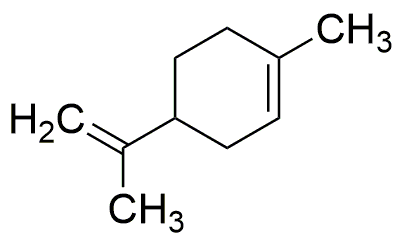
| Aroma Profile | Commonly Reported Experience |
|---|---|
| – Citrus – Lemon-like – Bright and fresh | – Uplifting – Energetic – Mood-boosting |
Caryophyllene
Commonly found in hybrid and gas-forward strains. Caryophyllene stands out among terpenes because researchers believe it interacts with the body differently than many other cannabis compounds.
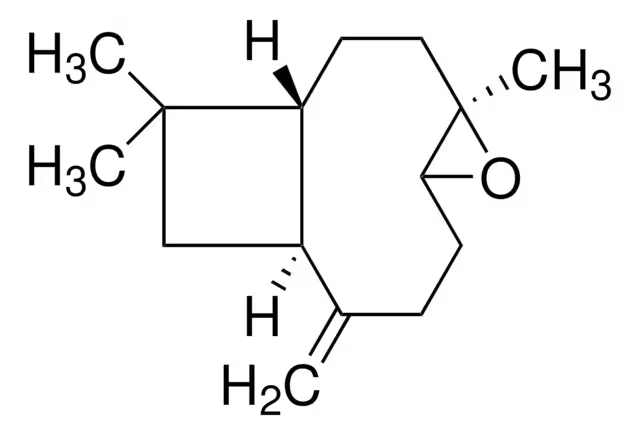
| Aroma Profile | Commonly Reported Experience |
|---|---|
| – Peppery – Spicy – Woody | – Grounding – Balanced – Warm or comforting |
Pinene
Often found in sativa-dominant and outdoor-grown strains. Pinene is widely recognized for contributing to some of the freshest and most recognizable aroma profiles found in cannabis.
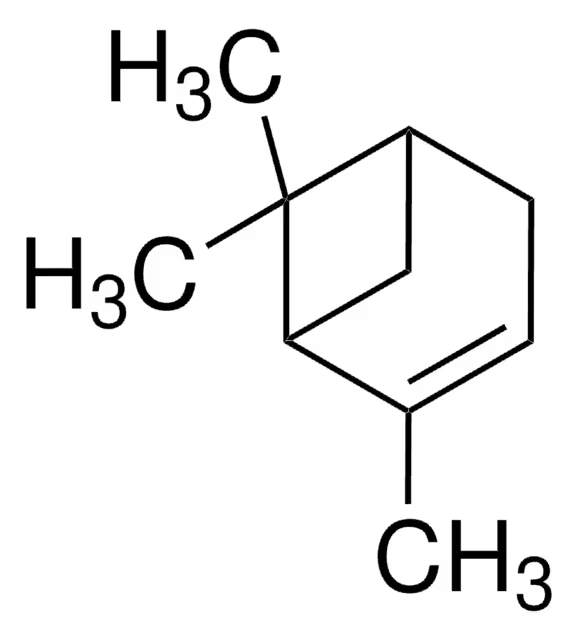
| Aroma Profile | Commonly Reported Experience |
|---|---|
| – Pine – Fresh herbs – Forest-like | – Alertness – Mental clarity – Refreshing |
Linalool
Often found in indica-dominant and floral strains. Linalool is also found naturally in plants like lavender and has become increasingly popular among consumers exploring softer terpene profiles.
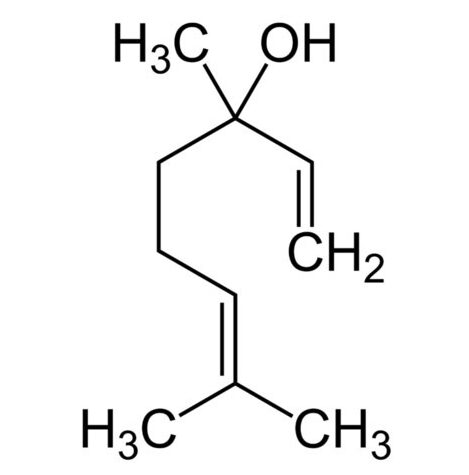
| Aroma Profile | Commonly Reported Experience |
|---|---|
| – Floral – Lavender-like – Soft herbal notes | – Calming – Soothing – Peaceful |
Terpinolene
Often found in energetic sativa-dominant strains. Less common than many major terpenes, terpinolene is often sought out by experienced consumers looking for more distinctive strain profiles.
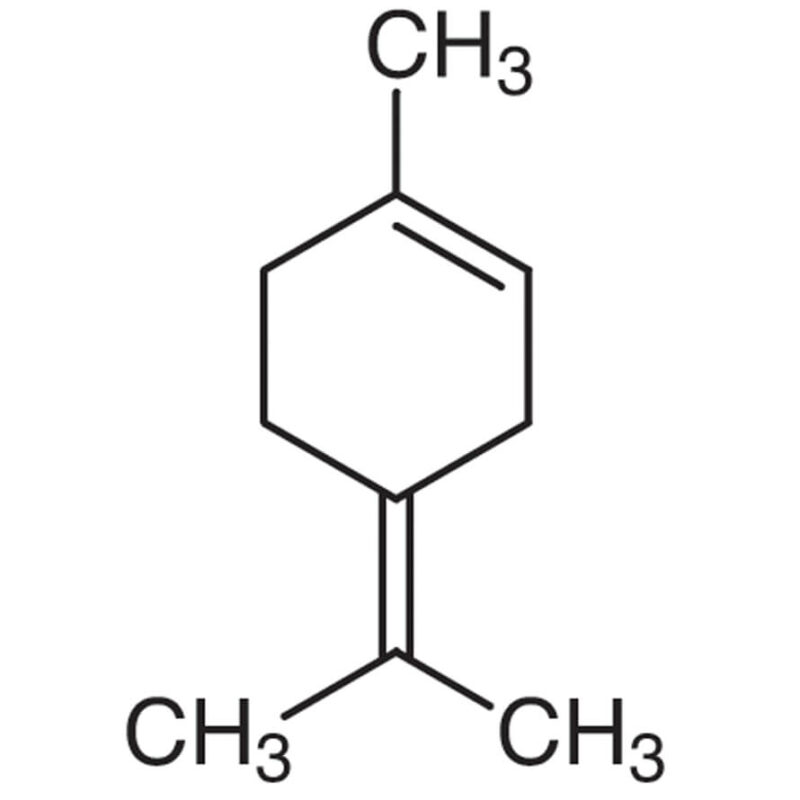
| Aroma Profile | Commonly Reported Experience |
|---|---|
| – Sweet – Floral – Fruity or herbal | – Uplifting – Creative – Cerebral or energetic |
Beyond THC: Rare Terpenes and Why Some Consumers Hunt For Them
Once people start exploring terpenes, many begin paying attention to more uncommon compounds as well.
Some examples include:
- Ocimene
- Valencene
- Bisabolol
- Guaiol
These terpenes are less common in cannabis products, which can make certain strains feel more unique or memorable.
Part of the appeal is similar to craft coffee, wine, or specialty food culture. The more consumers explore flavour, aroma, and subtle differences, the more they begin developing personal preferences.
For some people, cannabis becomes less about chasing the highest THC number and more about finding profiles they genuinely enjoy.
The Best Way to Learn Terpenes
The easiest way to understand terpenes is to experience them yourself.
Try different terpene profiles slowly and pay attention to:
- aroma
- flavour
- overall mood or experience
- which products you naturally gravitate toward
Over time, patterns usually start to emerge. You may realize you consistently prefer citrus-forward limonene strains during the day or earthy myrcene-heavy flower in the evening.
There is no universal “best” terpene profile. A lot of it comes down to personal preference and individual experience.
If you are curious about exploring terpenes further, the best place to start is with products that preserve strong aroma and flavour profiles.
At Potherb Cannabis, we carry a wide range of terpene-rich flower, live resin vapes, concentrates, and pre-rolls that allow consumers to explore different terpene experiences firsthand.
Because once you start paying attention to terpenes, cannabis starts feeling a lot less random.