
Cannabis is often thought of as a recreational or therapeutic plant—but across history, it has played a far deeper cultural and spiritual role. From sacred ceremonies in South Asia to communal gatherings in the Caribbean, cannabis rituals worldwide reflect a remarkable diversity of meaning and tradition. While the 20th‑century counterculture brought cannabis into mainstream Western awareness, its role in human culture stretches back thousands of years and often serves purposes far beyond simple intoxication.
1. The Sacred Drink of India: Bhang in Hindu Festivals
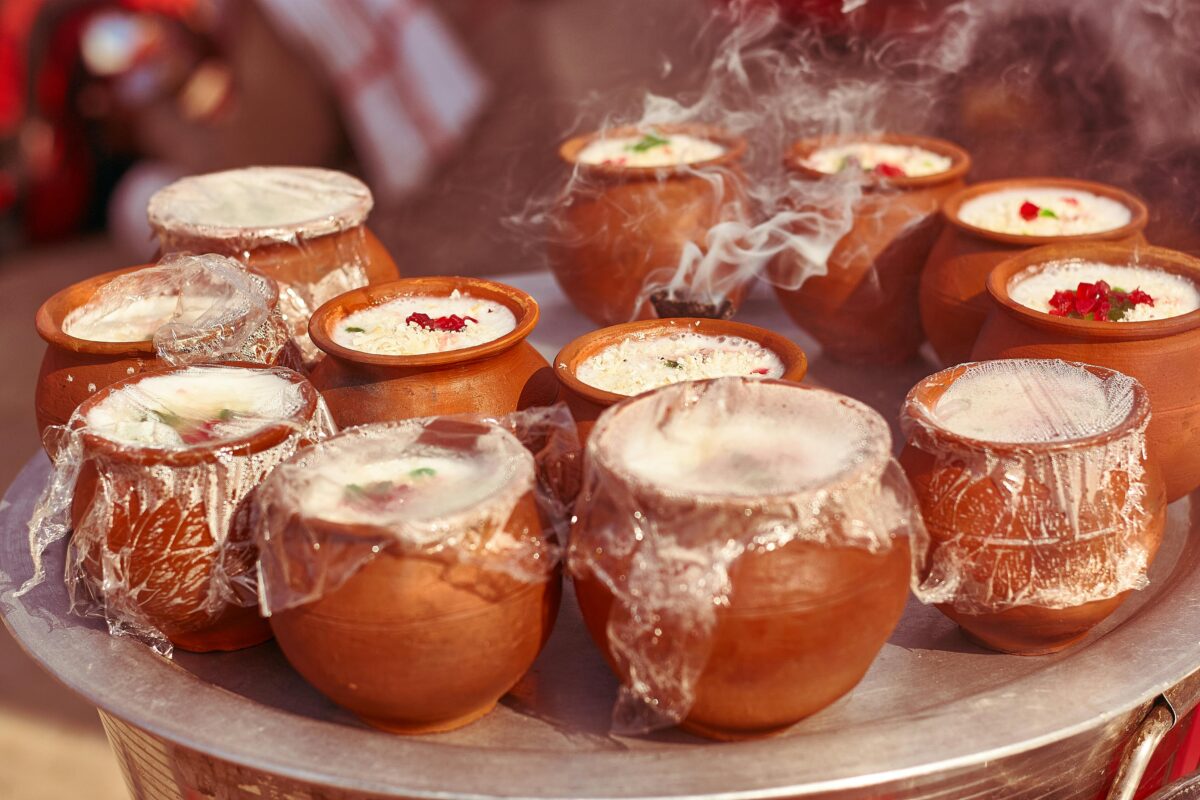
One of the earliest documented ritual uses of cannabis comes from the Indian subcontinent. In Hindu traditions, cannabis is revered as one of the sacred “five elixirs of life,” often associated with the deity Shiva. Bhang, a cannabis-infused drink, is consumed during festivals such as Holi and Maha Shivratri. Beyond its psychoactive effects, bhang symbolizes spiritual communion and celebration, helping devotees transcend the physical and connect with the divine.
2. Rastafari and the Holy Herb: Ganja as Spiritual Tool
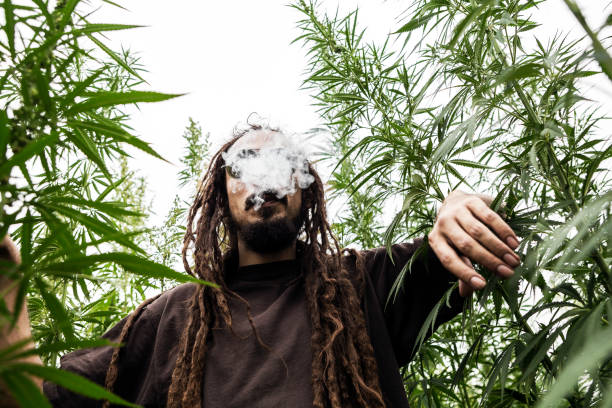
In Jamaica, the Rastafari movement elevated cannabis, locally called ganja, to sacramental status. Rastafarians use cannabis as a spiritual tool for introspection, peace, and unity with Jah (God). It is consumed intentionally in meditative rituals that accompany prayer, chanting, and communal reasoning sessions. Ganja is central to religious practice and cultural identity, reflecting centuries of resistance and spiritual exploration.
3. Taoist and Shamanic Cannabis Practices in Asia
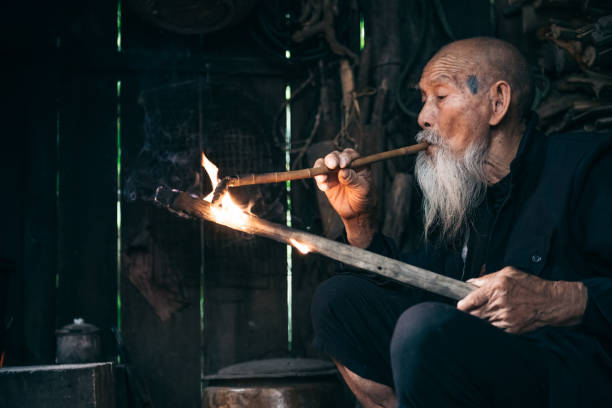
Ancient China and Central Asia also incorporated cannabis into ritual and medicinal traditions. Early texts reference cannabis as a therapeutic and spiritual plant, while archaeological evidence links hemp and psychoactive plants to burial rites and ceremonial practices. Shamanic traditions across Siberia and Eurasia used cannabis to facilitate altered states, healing, and communication with the spirit world.
4. Middle East and North African Hashish Culture
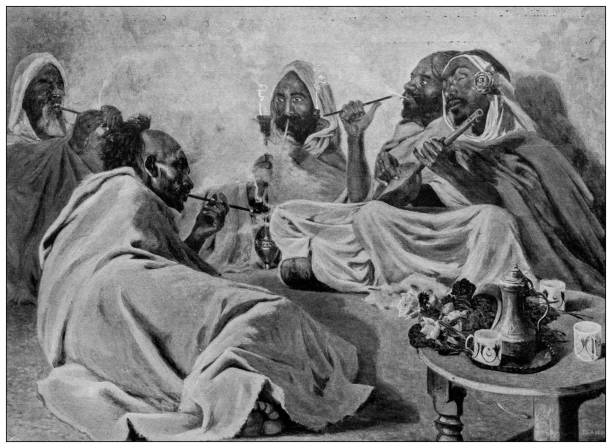
Historically, cannabis rituals in the Middle East and North Africa focused on hashish, the plant’s concentrated resin. Some Sufi mystics used hashish to achieve ecstatic states and poetic inspiration, believed to bring them closer to divine truths. While these practices are less common today, historical accounts highlight cannabis’s role in mysticism, communal reflection, and spiritual exploration.
5. Smoking Circles and Communal Practices
Beyond formal religious rituals, cannabis has long fostered social and communal experiences. Sharing a joint or pipe in a circle—whether in a village courtyard, music festival, or private gathering—creates a modern ritual emphasizing equality, connection, and conversation (Respect My Region, 2025). In North Africa and the Middle East, water pipes originally used for tobacco were adapted for cannabis, turning shared smoking into a ceremonial practice.
6. Modern Rituals: Mindful Consumption and Wellness
In Western contexts, cannabis use increasingly incorporates intention and mindfulness. Cannabis yoga retreats, meditation circles, and wellness gatherings now use cannabis to enhance relaxation, deepen focus, or facilitate communal introspection (Grey Journal, 2023). These modern rituals blend ancient traditions with contemporary wellness practices, emphasizing purpose over recreation. Setting intentions before a session is part of a growing trend of mindful cannabis consumption, connecting users to the plant on a deeper level.
Cultural Respect and Ritual Appreciation
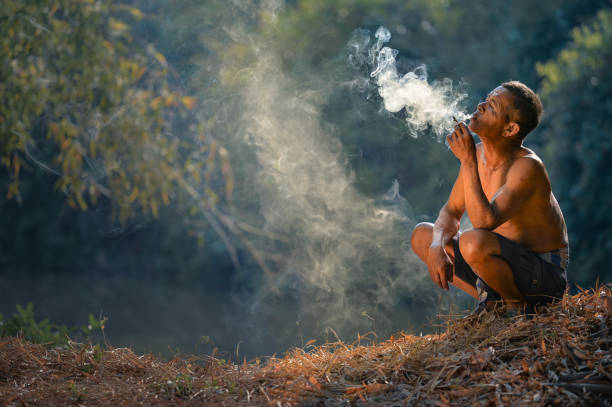
While exploring these rituals, it’s essential to approach cultural traditions with respect and context. Many practices are embedded in centuries of history, spirituality, and community identity. Modern enthusiasts should honor these origins and avoid superficial or consumptive appropriation.
A Tapestry of Cannabis Rituals
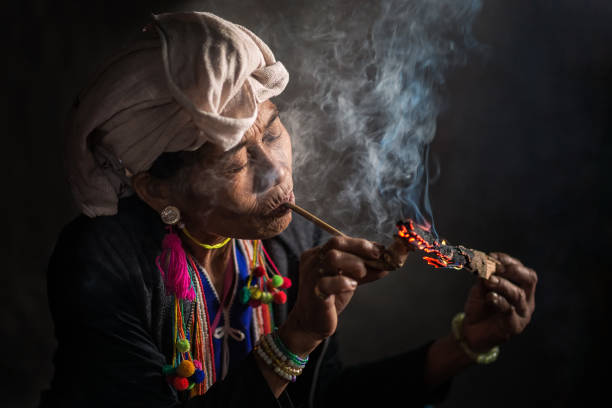
From the sacred ceremonies of the Himalayas to communal circles in urban spaces, cannabis rituals highlight the universal human themes of connection, spirituality, and community. Whether consumed as bhang, smoked as ganja, or shared in a circle, the plant’s cultural significance extends far beyond recreation. Understanding these diverse rituals offers a richer perspective on cannabis’s place in human history and contemporary wellness practices.